How Emerging Transaction Patterns Guide Funding Decisions Across Virtual and Physical Gambling Platforms
Rosa Müller · Nov 16, 2026

How Emerging Transaction Patterns Guide Funding Decisions Across Virtual and Physical Gambling Platforms
Payment methods in gambling have evolved rapidly as digital wallets, contactless cards and instant bank transfers gain ground while cash usage declines in many markets, and these shifts directly influence how players fund sessions at both online platforms and land-based venues according to industry data. Observers note that transaction speed and convenience now drive choices more than ever before, with digital options expanding faster than traditional ones in several regions.
Current Payment Landscape in Gambling Venues
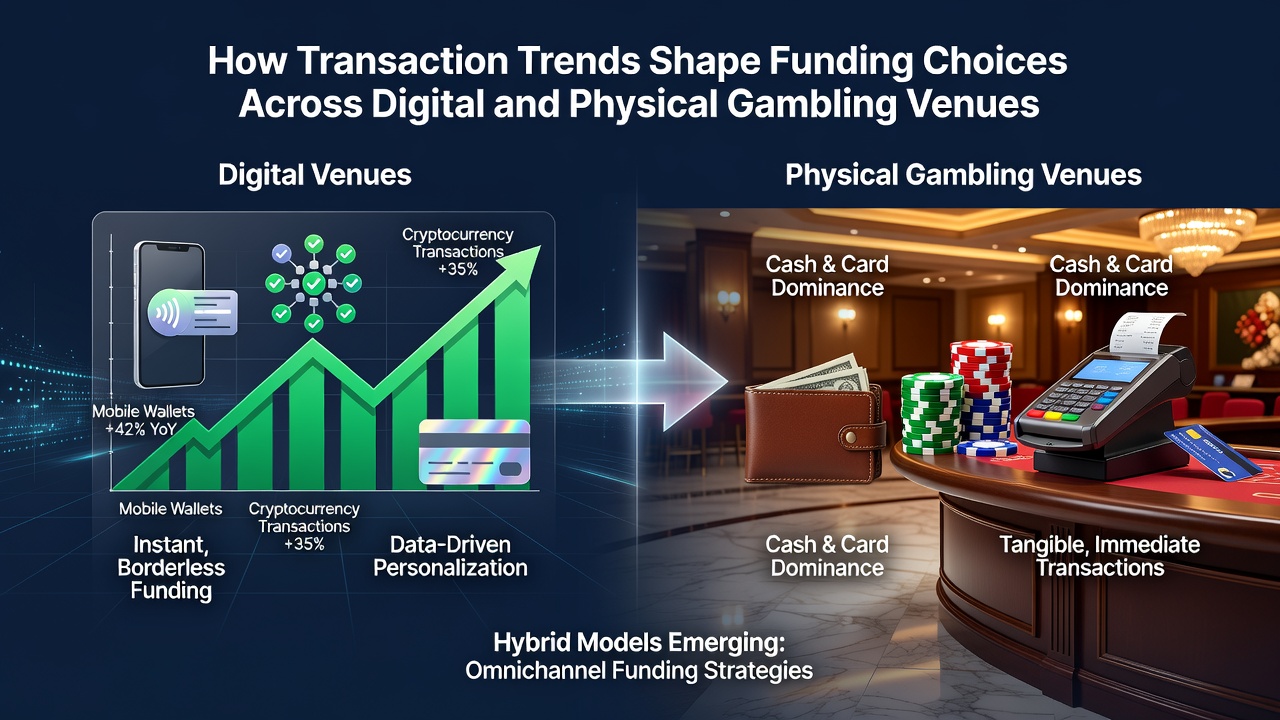
Digital gambling sites rely heavily on credit cards, e-wallets and bank transfers because these methods integrate seamlessly with mobile apps and allow instant deposits without physical presence, whereas physical casinos still process large volumes of cash alongside growing adoption of debit cards and prepaid options. Data from regulatory filings shows that card-based transactions account for over half of all funding activity at many online operators while cash remains dominant in brick-and-mortar settings due to regulatory requirements and player habits. Researchers at academic institutions tracking payment flows have documented how contactless technology introduced in the early 2020s accelerated the move away from notes and coins in licensed venues across North America and Europe.
Digital Venues and Instant Funding Preferences
Online platforms favor methods that complete transactions in seconds because players expect immediate access to games, and this expectation pushes operators to prioritize e-wallets and cryptocurrency options in jurisdictions where they receive approval. Figures from transaction monitoring services reveal that digital wallet usage grew steadily between 2023 and 2025 as more users sought lower fees and better privacy features compared with traditional card payments. Those who study these patterns point out that November 2026 will see several Australian state regulators release updated statistics on digital funding volumes, which should clarify whether the recent slowdown in cash alternatives continues or reverses under new tax rules.
Physical Venues Adapting to New Transaction Tools
Land-based casinos have introduced self-service kiosks and mobile payment apps to keep pace with customer expectations, yet cash still dominates because many jurisdictions limit electronic transfers at tables to prevent money laundering concerns. Industry reports indicate that debit card usage at casino cages rose noticeably after 2024 as operators installed more contactless readers, while credit card transactions remain restricted in several US states. Observers note that venues in Nevada and New Jersey now track funding method data more closely since state gaming boards require detailed reports on transaction volumes to support responsible gambling initiatives.
Regional Differences in Funding Trends
European markets show higher adoption of instant bank transfers through systems like Open Banking, which reduces processing times and fees for players funding accounts on licensed sites, while North American venues continue to balance cash handling costs against rising demand for card and digital alternatives. Canadian provincial data released in late 2025 highlighted how online funding shifted toward prepaid vouchers after certain credit card restrictions took effect, creating measurable changes in player behavior at both digital and physical locations. Australian researchers have tracked similar movements where physical venues increased mobile payment terminals to retain customers who prefer not to carry large amounts of cash.
Regulatory Influences on Transaction Choices
Government agencies in multiple jurisdictions require operators to monitor transaction patterns for compliance reasons, and this oversight shapes which funding methods receive promotion at different venues. The Nevada Gaming Control Board publishes annual summaries that detail how electronic funding volumes compare with cash, providing benchmarks that other regions reference when updating their own rules. Academic studies from European universities have examined how these regulations affect player access to preferred methods, showing that stricter verification requirements often steer users toward established bank transfers over newer digital options.
Future Outlook for Funding Methods
Transaction data collected through 2025 suggests that integration between digital and physical venues will increase as operators seek unified player accounts that allow seamless movement of funds across environments. Industry organizations such as the American Gaming Association have published analyses indicating continued growth in contactless and app-based payments at land-based properties, while online platforms experiment with additional cryptocurrency support where permitted. Those monitoring these developments expect the release of consolidated international figures in November 2026 to highlight whether convergence between the two venue types accelerates or stalls under evolving compliance frameworks.
Conclusion
Transaction trends continue to reshape how funding occurs across gambling environments as digital convenience competes with established cash practices and regulatory oversight, and the patterns observed through late 2025 point toward further integration of electronic methods in both sectors. Data from regulatory bodies and research institutions shows measurable shifts in player preferences that operators must address to remain competitive while meeting compliance standards.