Decoding Loyalty Structures: How Reward Systems Influence Player Retention Across Digital and Venue-Based Gambling Options
Petra Ludwig · Oct 5, 2026
Decoding Loyalty Structures: How Reward Systems Influence Player Retention Across Digital and Venue-Based Gambling Options
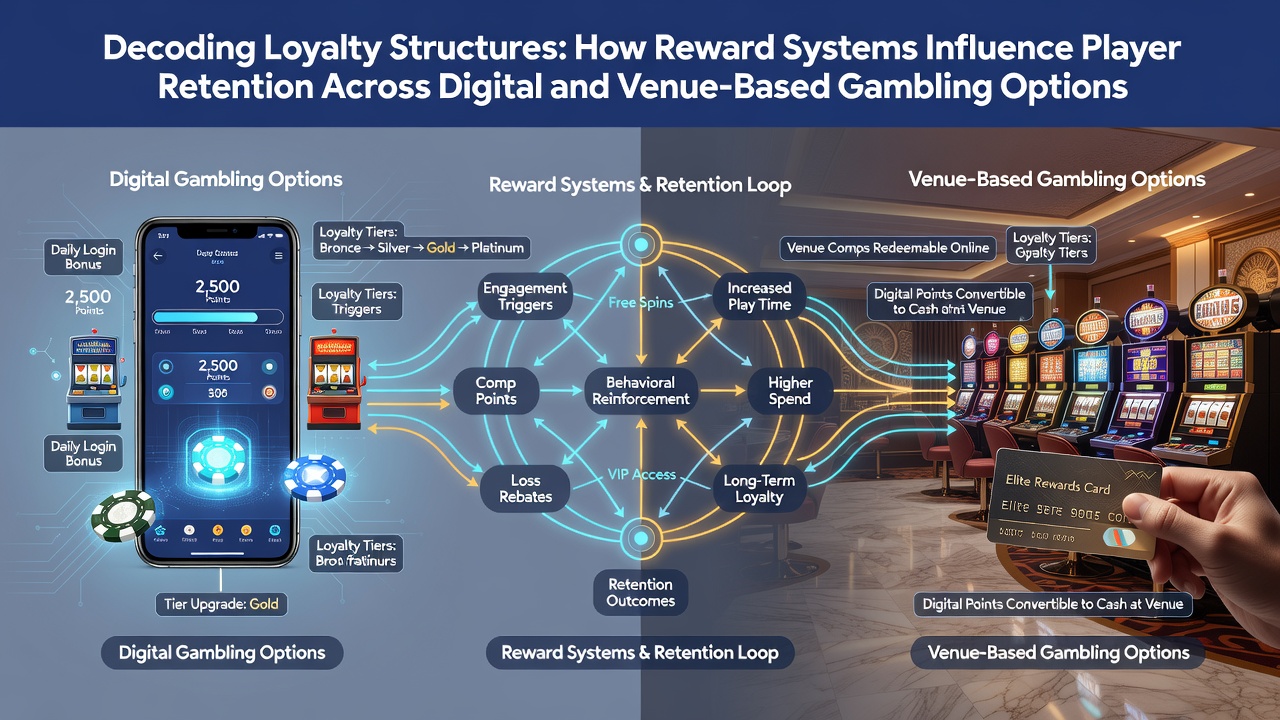
Loyalty structures in gambling environments operate through layered point systems, tiered memberships, and personalized incentives that track player activity over extended periods, and these mechanisms function differently depending on whether participants engage through digital platforms or physical venues. Research from industry analysts shows that reward accumulation often begins with basic entry-level benefits such as free spins or complimentary meals, while higher tiers unlock access to exclusive events, cashback percentages, and dedicated account management. Data indicates that retention improves when systems align rewards with individual spending patterns, although the execution varies significantly between online interfaces that automate tracking and land-based operations that rely on staff interactions alongside card-based tracking.
Core Components of Gambling Loyalty Programs
Point accrual forms the foundation across both digital and venue settings, where players earn credits proportional to wagers placed on slots, table games, or sports betting, and these credits convert into tangible perks like hotel stays, dining credits, or additional play funds. Tier progression adds another layer, with thresholds typically measured in annual spend or visit frequency that unlock escalating benefits, and observers note that digital systems update these levels in real time while venue programs often require manual verification at service desks. Personalized offers emerge from behavioral data analysis, including targeted bonuses for underutilized games or time-limited promotions, and studies from academic researchers reveal that such customization correlates with extended session durations across multiple markets.
Digital Platform Implementations and Retention Patterns
Online gambling operators deploy algorithms that monitor login frequency, game preferences, and deposit amounts to deliver tailored rewards through mobile apps and web portals, and this automation allows for instant redemption of points without physical queues. Retention data from platform operators demonstrates higher repeat login rates when users receive progressive challenges that build toward milestone rewards, whereas static bonus structures tend to produce shorter engagement windows. Integration with payment processors further streamlines the experience, enabling seamless conversion of loyalty points into account balances, and figures from regulatory filings in multiple jurisdictions highlight that these efficiencies contribute to sustained user bases over quarterly reporting periods.
Venue-Based Approaches and On-Site Dynamics
Physical gambling locations combine electronic player tracking cards with human elements such as floor hosts who deliver personalized service, creating loyalty experiences that blend automated point collection with immediate recognition at restaurants or gaming tables. Retention in these settings often ties to cumulative visit counts that trigger invitations to special tournaments or entertainment packages, while data collected through on-floor kiosks feeds into broader CRM systems that schedule follow-up communications. Comparisons drawn from operational reports show that venues emphasizing social events alongside reward redemptions maintain steadier foot traffic during off-peak hours compared to locations relying solely on machine-based incentives.
Comparative Retention Outcomes Across Formats
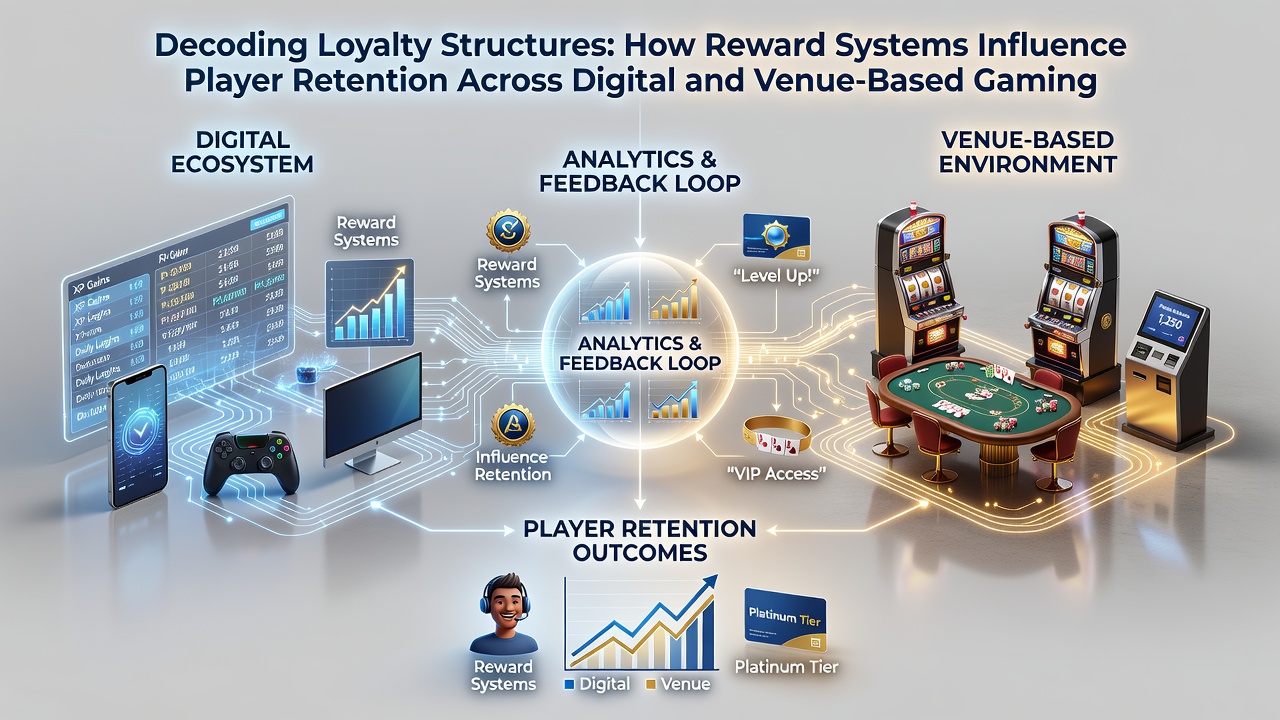
Digital environments generally achieve faster reward delivery cycles that encourage daily or weekly returns, whereas venue programs leverage the experiential aspect of in-person visits to foster longer-term loyalty through memorable events and relationships. Metrics compiled across North American and European markets indicate that hybrid players who alternate between both formats exhibit the highest overall retention when cross-platform loyalty transfers are available, allowing points earned online to apply toward venue privileges. Yet structural differences persist, with online systems excelling at micro-incentives during short sessions and physical sites focusing on macro-rewards tied to multi-hour stays or group visits.
Recent Data Trends Observed Through October 2026
Industry tracking through October 2026 reveals shifts in how operators adjust tier thresholds in response to changing player demographics, with digital platforms introducing more flexible expiration policies on points to combat dormancy while venues expand partnerships with hospitality providers for bundled experiences. Reports from the National Center for Responsible Gaming link research findings on behavioral tracking demonstrate measurable differences in retention curves between automated and interpersonal reward models. Additional insights from Australian regulatory analyses at responsiblegambling.vic.gov.au show regional variations in how loyalty caps and disclosure requirements influence ongoing participation rates across both digital and venue channels.
Conclusion
Loyalty structures continue to evolve as operators refine data utilization to balance acquisition costs against long-term retention value, and the distinctions between digital automation and venue-based personalization shape distinct player pathways. Evidence from ongoing monitoring indicates that successful programs maintain flexibility to accommodate shifting regulatory landscapes and technological capabilities, ensuring reward systems remain relevant to diverse participant groups across gambling formats.